Why 2025 Fashion Internships Are the Key to Building Your Career
In today’s episode, we’re diving into a topic that can make a huge impact on your future in fashion: finding and securing 2025 fashion internships.
Now, internships are more than just resume builders. According to a study by the National Association of Colleges and Employers, 70% of employers offered their interns full-time roles after they completed their internship. That’s why it’s worth putting in the time and effort to land one that aligns with your goals.
I’m giving you the complete guide on where to look, how to make your application stand out and how to leverage networking like a pro. Grab a notebook if you can – there will be so much you can use to make the process feel more manageable and actionable.
1. Where to Find Fashion Internships
First up, let’s talk about where to actually find these 2025 fashion internships, because there’s a lot more out there than just scrolling job boards.
Major Internship and Job Boards
Let’s start with the big players: LinkedIn and Glassdoor. Now, I know it sounds obvious, but these platforms are major players for good reason. Glassdoor offers more than just internship listings – it also gives you insight into the experiences of others who’ve been through that very internship.
You can read reviews about everything from the interview process to what interns say about the day-to-day work culture. This is a huge advantage because you get a preview of what the company is like before you even apply, which helps you decide if this is the right place for you.
Just remember, like with product reviews, every experience is different, so take these with a grain of salt, but they’re a great starting point.
Then there’s LinkedIn. Not only is LinkedIn a job board; it’s an incredibly powerful networking tool. I always joke that the platform should pay me because I talk SO MUCH about it, especially to my students, because there are just so many benefits to using it!
Use specific search terms like ‘2025 fashion internships’ or ‘fashion design internship’ to find relevant postings, and set up alerts for these keywords. Being among the first applicants can make a big difference.
Pro Tip: Don’t hesitate to go beyond job listings and dive into networking. You can send cold messages to HR professionals or recruiters who post about internships – mention their posts, share your interest and make it personal!
You can also follow key recruiting companies or HR professionals who frequently post internship openings. That way, when you reach out, you can reference a specific post they made, which shows you’re following their updates and are genuinely interested, plus it makes it less awkward to reach out and say hello.
EPISODE MENTION
If you’re new to using LinkedIn, I have another post where I break down 8 game-changing strategies to supercharge your LinkedIn profile. These tips and tricks will be great to make your profile visible to more recruiters and hiring managers. They will also help to put your work out there, elevating your experience and overall professional profile. You can access it here.
Industry-specific job boards are another gold mine. The Business of Fashion and Fashionista.com have job sections that include internships with top brands you won’t find on general platforms. Bookmark these sites and check them regularly, or better yet, subscribe to their job alerts if you can.
The more alerts you have across different platforms, the more opportunities you’ll be able to apply for!
Social Media and Brand Websites
Social media has become a hidden gem for finding 2025 fashion internships, especially with so many brands using Instagram and TikTok for recruitment. If there’s a brand you admire, start by following them on social media to catch any internship announcements or hiring trends. Smaller or emerging brands often post openings directly in their stories or captions, and this can give you a heads-up before these roles hit the bigger boards.
Another big tip is to turn on notifications for your favorite brands. This way, you’ll get alerts whenever they post something new, including potential opportunities. You might even see behind-the-scenes content that gives you an idea of the company culture – something you won’t get from a job listing alone.
Also, if the brand has a newsletter, sign up! Brands sometimes share internship or job opportunities exclusively with their subscriber base.
Don’t forget the brand’s own website. Head to the Careers or About Us section and make it a weekly habit to check for new listings. Many fashion companies don’t advertise internships on larger job boards but instead post them only on their websites.
A little diligence here can set you apart from the crowd because you’re going directly to the source.
Networking and Word-of-Mouth Referrals
Networking is powerful – 85% of jobs are filled through networking according to LinkedIn. In fashion, where so much of the industry relies on relationships, networking can give you that extra edge.
I’ll be honest: networking was the backbone of how I grew my career. When I was ready to move into event production, I had no connections and no leads, so I began cold emailing companies, looking up contacts online and going to as many interviews as I could – often on my lunch breaks from my corporate job at Ralph Lauren. It was intimidating, yes, but it taught me resilience and introduced me to people who helped shape my career.
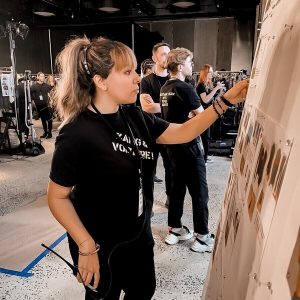
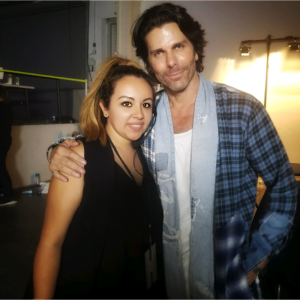
If you’re just starting out, begin with the people around you – your professors, classmates, family or any contacts who might know someone in fashion. They might be able to connect you with people in the industry or let you know about upcoming internship opportunities.
Then, if you’re ready, take it up a notch with cold outreach. For instance, if you find someone on LinkedIn who works at a brand you love or has a job title you would love to explore, send a polite private message. Keep it brief – mention something specific you like about the brand or their role, then ask if they’d be open to a quick chat. This is what’s known as an informational interview or meeting. People appreciate sincerity, and even if they can’t help directly, they might keep you in mind when opportunities pop up.
And here’s a little industry secret: networking doesn’t have to be formal. Every interaction you have can be a networking moment. Start conversations, attend events and introduce yourself at any chance you get. Not every interaction will lead to an internship, but each one will teach you how to make connections, which will help you build a network over time.
University Career Centers and Exclusive Opportunities
College career centers can be absolute game-changers. They often have exclusive partnerships with fashion brands, opening doors to internships that aren’t advertised publicly. If you’re currently in college or recently graduated, make it a priority to meet with a career advisor. Many career centers host job fairs, company visits and career days where you can connect directly with industry recruiters.
Even if you’re not immediately interested in the companies present, attend these events – you’ll get invaluable interview practice and maybe discover a path you hadn’t considered.
I remember landing my senior co-op internship at Ralph Lauren through LIM’s career services, where I now teach. At the time, I had my sights set on a magazine internship, but that opportunity at Ralph Lauren led to a connection with their PR manager during my interview, which was pivotal for my career. The best part? We’re still friends to this day, and that internship allowed me to spend the next 8 years learning everything from pr, to styling, to marketing and events – it truly opened so many doors for me and taught me so much invaluable experience and information.
Sometimes, you end up exactly where you’re meant to be, even if it doesn’t seem obvious at first.
Pro Tip: Your school’s job board can be a goldmine for these exclusive listings. Check it regularly, and don’t hesitate to reach out to your advisor if you need guidance on how to approach certain companies. Schools almost always have alumni networks, too, which means you might be able to connect with former students who are already working in the field or at companies you’re interested in. This connection will give you an advantage over all other applicants because it provides a direct connection – your alma mater!

Looking for More 2025 Internship Opportunities?
The 2025 Global Fashion & Beauty Internship Spreadsheet offers 90+ internship opportunities worldwide with companies that are looking for interns right now. Don’t miss out on these incredible opportunities!
Looking for More 2025 Internship Opportunities?
The 2025 Global Fashion & Beauty Internship Spreadsheet offers 90+ internship opportunities worldwide with companies that are looking for interns right now. Don’t miss out on these incredible opportunities!
2. Crafting a Standout Application
Alright, now that you have a better idea of where to find these 2025 fashion internships, let’s dive into the nitty-gritty of making your application shine. I’m talking resumes, cover letters, and portfolios.
Creating a Strong Resume for Fashion Internships
The first thing to understand about resumes, especially for fashion internships, is that most employers now use ATS, or Applicant Tracking Systems. These are software programs that filter resumes based on specific keywords and phrases. Companies, especially larger ones, use ATS to manage the flood of applications they receive. This software scans for keywords to determine if you’re a strong match for the role, so matching your resume to each job description is crucial.
Think of it this way: an ATS is programmed to spot specific phrases. So, incorporating terms strategically in your resume based on the keywords included in the job description can dramatically increase your chances of making it past the initial screening. Just make sure that you’re not just filling in these keywords and that you actually have the experience you’re adding to your resume!
Here are some quick tips that will guarantee you a stronger resume:
1. Use Keywords That Match the Job Description
Each job description is like a map to the keywords an ATS will be searching for. Take into consideration specific language in the listing, especially in sections like “required skills” or “responsibilities.”
If a position mentions “trend analysis” or “apparel production” multiple times, mirror that language on your resume where it’s relevant.
For example, instead of simply listing “retail experience,” use phrases like ‘experience in fashion retail’ or ‘assisted with visual merchandising displays’ if applicable. Tailoring these keywords can make the difference between your resume being seen or filtered out.
2. Customize Your Resume for Each Application
Yes, this means you should be updating your resume for every single application. Why? Each company may value different skills or experiences, and even slight variations in job descriptions mean different keywords.
Customizing ensures you’re matching what that specific ATS is looking for, which helps you beat the system and get your resume in front of an actual person. A tip here: save templates for each type of role (like design, merchandising, marketing) and tweak them as needed to save time while still aligning with each job posting.
3/ Craft a Strong Summary Section
A summary section at the top of your resume can set the tone and immediately showcase your fit for the role. This should be 1-2 sentences that capture your top skills and interests related to the position.
For example, you could say, ‘Detail-oriented fashion merchandising student with experience in trend forecasting and retail management, passionate about contributing to a strong fashion team.’ This lets recruiters know at a glance what you bring to the table and which skills they’ll see expanded upon in your resume
4/ Emphasize Transferable Skills
Many students worry if they haven’t had a “fashion” internship or industry experience, but remember, transferable skills are also incredibly valuable. Skills like communication, organization, attention to detail, and problem-solving translate well into fashion roles.
For example, if you’ve managed events on campus or have retail experience, highlight aspects that connect to the internship you’re applying for, like ‘oversaw the organization of a 100+ attendee event, showcasing strong project management and creativity under pressure.’ Showing how you can bring these skills into a fashion internship makes you a more versatile candidate.
5/ Keep the Design Simple and ATS-Friendly
Avoid fancy fonts (especially handwriting ones!), images or graphics. ATS systems often struggle with complex formatting, which could result in your resume being misread or even discarded. Use a clean, readable font like Arial or Times New Roman, and make sure your file is saved and sent as a pdf to avoid compatibility issues.
Stick to a single page unless you have extensive experience, then 2 pages are fine, and make every bullet point count – think of each line as valuable real estate to sell your skills.
Putting all these strategies together will significantly boost your chances. Remember, your resume should be easy to read, keyword-rich and tailored to highlight your best qualities for each application.
Crafting a Personalized Cover Letter
Alright, now that we’ve perfected the resume, let’s focus on your cover letter.
I want you to think of your cover letter as a personal introduction, the place where you really connect the dots for hiring managers. Here’s your chance to go beyond the bullet points of your resume and share the ‘why’ behind your application – why this brand, why this role, and why you.
Start by showing genuine enthusiasm for the company. This is where you should be specific. Are you drawn to the brand because of their commitment to sustainability? Maybe you’re inspired by their latest collection, or perhaps you admire the CEO’s vision for the future of fashion. Whatever it is, let them know that you’re not just looking for any internship – you’re excited about this one. When hiring managers see that kind of intentionality, they’re more likely to see you as a serious candidate.
Then, shift into connecting your experience to the role’s needs. For instance, if the position calls for strong attention to detail, think about a specific project or experience where you honed that skill. A recent study by the Career Advisory Board found that 70% of hiring managers are more likely to consider applicants who provide specific examples of skills in their cover letters. This shows them not just what you’ve done but how you’ve made an impact. The key here is to be genuine – share stories that feel real and that highlight your best traits.
As you wrap up, keep your tone warm but professional. Close with a strong, positive statement. You can say something like:
“I’m excited about the chance to contribute to your company and bring my passion for sustainable fashion to your creative team.”
A memorable ending makes a lasting impression, and it shows you’re grateful for their time.
EPISODE MENTION
To dive deeper into this topic, I have another blog post titled How to Create an Online Portfolio and Why It’s Important for Your Fashion Career that I know can help. In the post, I discuss the benefits of having an online portfolio, share tips and guidelines for making yours stand out, and provide specific steps you’ll need to follow, along with potential platforms to showcase your amazing work.
Creating a Simple but Effective Portfolio
If you’re applying for a creative position, a digital portfolio can really set you apart. Think of it as a visual resume that highlights your style and skills in a way that words can’t.
And here’s the thing – your portfolio doesn’t have to be complicated to make an impact. In fact, a simple, organized portfolio usually resonates best with employers who want to focus on your work rather than a flashy design.
So, what should go in it? The most important thing to remember is that it’s about QUALITY, not quantity. Focus on your best pieces – those projects that showcase your range, creativity and attention to detail. If you’re just starting out, don’t worry about having ‘professional’ work. Include personal projects, class assignments or even mock-ups you’ve created on your own. For example, if you styled a shoot for a class or created a branding concept, add it in. Employers appreciate initiative, and they’ll get a sense of your personal style and vision through your portfolio.
Don’t shy away from sharing a bit of your creative process. Hiring managers love seeing how ideas evolve. If you can, include sketches, mood boards or initial drafts alongside finished pieces. This not only showcases your talent but also highlights your ability to plan, refine, and execute – a skill that’s highly valued, especially in creative roles.
As with your resume, remember to keep your portfolio current and tailored. If you’re applying for an internship at a minimalist brand, it could help to showcase clean, understated work that aligns with their aesthetic.
Tailoring doesn’t mean creating an entirely new portfolio for each application but rather selecting pieces that resonate with the brand’s look and feel.
With a personalized resume and cover letter, and a strong portfolio, you’re building a brand for yourself that speaks to hiring managers. You’re showing them not just what you’ve done, but who you are and why they’d be lucky to have you.
The goal here isn’t just to apply for an internship – it’s to make a lasting impression that might even turn into future opportunities.
3. Networking Your Way to an Internship
Networking might feel like a big, intimidating word, but let’s simplify it: think of networking as building relationships with people who share your professional interests. Instead of seeing it as a formal task, imagine it as making friends who are also on this journey. And to really simplify it for you: most people don’t like to network or aren’t good at it either!
But the reality is that relationships formed through networking are some of the most powerful assets you can have in the fashion industry, which is known for being competitive and often tough to break into.
Attending Fashion Industry Events: Building Connections Organically
One of the best ways to build your network is by attending industry events. These could be fashion shows, trade expos, webinars or even virtual events. Check out platforms like Eventbrite, Meetup, and even LinkedIn Events to find gatherings tailored to fashion professionals. These spaces allow you to meet people organically, which takes some of the pressure off the typical networking setting.
Now, when you meet someone, don’t overthink it. Lead with genuine curiosity – ask about their role, the projects they’re working on, or even what excites them about their job. When you start with interest, people feel valued and are more likely to open up.
Keep in mind that people love to share their experiences and insights, especially with someone who shows genuine interest in what they do. This kind of connection-building might not result in an immediate internship offer, but it helps you form a network of contacts who might think of you when opportunities arise. Also, make sure you take the time to actually listen. Don’t just listen to respond, which is, unfortunately, what many people do at these events.
Setting Up Informational Interviews
Informational interviews are an often-overlooked yet incredibly effective way to build meaningful relationships in the industry. These are informal, low-pressure conversations where you’re simply looking to learn more about someone’s career path and their perspective on the industry.
What makes these interviews so impactful is that you’re not just another candidate asking for a job; you’re someone who’s interested in genuinely understanding the field and the person’s unique journey within it.
From personal experience, I remember how awkward it felt to ask for these conversations early in my career. As an extroverted introvert, reaching out to strangers pushed me completely out of my comfort zone – but I also knew it was necessary to achieve my goals. Over time, informational interviews became less intimidating and more like coffee chats. These conversations helped me build relationships and opened doors I never expected. Today, they’re the bread and butter of my networking strategy.
To set up an informational interview, identify someone whose role or career you admire and reach out with a respectful, friendly message. Express genuine interest in learning from them, and ask if they’d be willing to chat for 15 to 20 minutes. People in the industry are often open to sharing their experiences if approached with respect and curiosity.
WONDERING WHAT TO ASK?
If you’re wondering what to ask at your next informational interview, I’ve got you covered! I created a cheat sheet with 40 question prompts to help you think of what to ask industry leaders when you sit down (in-person or virtually) to ask them about their experience, history and careers. Download my free resource, “40 Questions to Ask at Your Next Informational Interview” here.
Remember to be specific in your message, mentioning a project of theirs you admire or a shared interest. This personal touch shows you’ve done your research, and it helps make your request feel thoughtful rather than generic.
Volunteering or Freelance Work
Building your resume and network doesn’t always mean starting in formal roles; sometimes, it’s about jumping in and getting your hands dirty, whether through freelance gigs or volunteering.
For anyone just starting out in the fashion industry, freelance work is a great way to get quick, project-based experience that not only builds your portfolio but also helps you develop a reputation. Websites like Upwork, Freelancer and Fiverr occasionally feature opportunities in fashion, from graphic design and styling to social media projects. While freelance work might start small, each project brings you closer to understanding what the industry needs and gives you experience to showcase in your resume. Freelancing can also lead to more connections, often the very people who can guide or refer you for future roles.
According to a 2019 study by the Bureau of Labor Statistics, the gig economy, including freelance and contract work, has been rapidly expanding, with nearly 15% of all employment now in freelance roles. Not only does this trend mean more entry points into industries like fashion, but it also provides you with project-based experience to put on your resume, which can often make you a more appealing candidate for internships.
But if you’re looking to truly immerse yourself in the fashion world, volunteering is one of the most effective – and exhilarating – ways to do it. Volunteering gets you behind the scenes, especially in high-energy environments like fashion shows, brand events and even pop-ups. Not only do you gain direct, hands-on experience, but you’re also working alongside the people who make these events happen: the stylists, event coordinators and producers who know the ins and outs of the industry.
When I was in college, I was introduced to fashion shows by volunteering as a model dresser at New York Fashion Week. My first show was Rodarte – I’ll never forget it. From the moment I stepped backstage, I was hooked by the adrenaline rush and the energy that filled every corner of the show.
I loved it so much that I kept going back, volunteering or working backstage at shows for almost 10 years. I’d even take vacation days from my full-time job just to be there. This experience wasn’t just thrilling – it became a foundation for my career. I learned the intricacies of event production, got to know the right people and experienced firsthand what it takes to pull off a successful show.
Through volunteering, I discovered my passion for event production and the intense, fast-paced world of Fashion Week. Every experience taught me something new, from working with the designers to understanding the role of every person involved backstage. These foundational years of working behind-the-scenes were essential to becoming the Fashion Week producer I am today. Volunteering opened doors, allowed me to gain knowledge I couldn’t have learned anywhere else and it set me on a path I’m so ridiculously passionate about.
Growing up, my dad used to always say to my brother and me: when you want something, when you have a major life goal, you have to put yourself in the room where it’s happening. It doesn’t matter if you’re sweeping the floor, just find a way in and then you’ll figure out the rest.
And that’s exactly what I did.
If there’s one thing I hope you take away from my story, it’s this: volunteer wherever you can, get involved with events, with projects, with people in the field, and let your interest lead the way.
Every connection you make and every skill you build adds to your story – and who knows, it might just lead you to your dream role.
4. Staying Organized and Following Up
Staying organized with your applications is non-negotiable, especially when you’re reaching out to dozens of companies.
Back when I was building my career in events, building connections through informational interviews was a priority. I was so eager to land these meetings that I started cold-emailing hundreds of companies a week trying to land opportunities to learn about event production.
But I wasn’t tracking anything, and that led to one experience I will never forget for as long as I live: I accidentally emailed the same production company three times over several weeks with the exact same request!
By the third email, they responded and agreed to meet with me, but at the in-person interview, they joked that I must have really wanted it given my ‘persistence.’ I was mortified and I made a promise right then and there to get organized.
That same day, I created my very first tracker, and I haven’t looked back since. It’s the foundation for the tracker I now offer.
Let’s talk through some simple ways to get yourself organized and avoid any embarrassing moments.
Creating an Internship Tracker
First, create your own dedicated internship tracker to keep every detail organized, from the company name and application date to follow-up reminders and notes. With this system, you’ll never worry about accidentally double-emailing the same person (or triple, in my case!). This system will allow you to stay on top of every single opportunity.
And if you’d rather skip creating one from scratch, I’ve put together two ready-to-use trackers for you, take a look below.
FASHION CAREER TRACKING TOOLS
The PR and Events Email Database
This includes 100 PR and event production contacts, with names, emails and phone numbers, as well as a built-in tracker so you can monitor your outreach and follow-ups. It’s a great way to stay on top of your communications with industry pros.
The Career Launch Toolkit
This kit is designed for those looking to fully organize their job search in fashion, with an in-depth tracker, a 24-page career planner, and a guide to important industry events for the year ahead.
*Both options can help you feel prepared and stay organized, leaving you free to focus on making meaningful connections rather than juggling multiple tracking tools or notes.
The Art of Follow Up
Once you’re organized, following up becomes much easier – and trust me, it’s a powerful way to stand out. About a week after applying, send a short, polite follow-up email to check in on your application status. But don’t just send any follow-up; let’s make it strong and memorable.
Start With a Strong Subject Line
Your subject line should be clear and catch their attention without sounding pushy. Try something like, ‘Following Up on the PR Internship Application,’ or ‘Excited to Connect About the Creative Design Internship Role.’ Both convey professionalism and enthusiasm, giving the recipient a reason to open it.
Write a Warm, Engaging Introduction
Begin with a friendly greeting, then a short line that connects back to the company or person you’re emailing.
For example, ‘I hope your week has been going well – I’ve been following your recent collection launch, and it’s so inspiring to see such innovative designs.’ A small acknowledgment of their work or the brand’s projects makes your follow-up feel personal and shows you’re genuinely invested.
Reaffirm Your Interest and Fit.
In a sentence or two, reiterate why you’re excited about this role and why you believe you’re a great fit. Keep it concise but impactful.
For example, you can say, ‘I’m thrilled about the possibility of contributing my experience in fashion design to such a forward-thinking team.’ This reminds them of your enthusiasm without overwhelming them with information.
End with a Clear Call to Action
Close with a warm, proactive line that invites a response. Something like ‘Please let me know if there’s any additional information I can provide – I’d love the opportunity to discuss how I could contribute to your team.’ is perfect. It’s a gentle nudge that shows you’re eager to continue the conversation.
IN THE END…
The most important thing I want you to remember is this: Don’t stress if you don’t have every single skill listed on an internship description. So many roles in fashion actually value transferable skills more than you might think – those skills you’ve gained from previous jobs, classes, or volunteer experiences.
Maybe you’ve worked in retail, which has given you customer service skills, attention to detail, and a bit of sales experience – traits that are all highly valued in the fashion industry. The key is to demonstrate your genuine interest and dedication to the role.
Taking a few extra minutes to tailor your outreach materials or what you’re going to say can really set you apart from other candidates.
I hope this post gave you some insight behind the strategies that can set you apart in the fashion industry, the tools to stay organized and proactive in your job search, and the confidence to take the next step toward landing your dream role.
If you’re ready to find those 2025 fashion internships that will advance your career in the industry and provide much needed experience, don’t forget to get my 2025 Global Fashion and Beauty Internships Spreadsheet. It has over 90 internship opportunities with top fashion and beauty companies around the world who are looking for interns right now.
Until next time, fashion insiders, remember – every connection and every opportunity counts. Keep building your network as you take the next step toward your dream fashion career!
xM
LINKS IN THIS POST:
- Post Mention
How to Create an Online Portfolio and Why It’s Important for Your Fashion Career - Post Mention
8 Game-Changing Strategies to Supercharge Your LinkedIn Profile - The Fashion Career Launch Kit
https://mariahedian.com/fashion-career-kit - The Email Contact Database
https://www.mariahedian.com/resource-suite - Resume Review & Revision Premium Service
https://services.mariahedian.com - 2025 Global Fashion & Beauty Internship Spreadsheet
Grab your own copy of the 2025 Global Fashion & Beauty Internship Spreadsheet with 90+ top companies hiring interns RIGHT NOW.